Vitamin C Derivative
INCI: Sodium Ascorbyl Phosphate
Stable vitamin C that brightens and protects skin
About Vitamin C Derivative
Sodium Ascorbyl Phosphate (SAP) is a water-soluble vitamin C derivative that has become a cornerstone of K-beauty brightening routines. Unlike pure L-ascorbic acid, which degrades quickly when exposed to light and air, SAP remains stable in formulations and doesn't oxidize easily, making it far more practical for everyday skincare. This ingredient works by converting to active vitamin C once absorbed into the skin, where it inhibits melanin production, boosts collagen synthesis, and neutralizes free radicals that cause premature aging. K-beauty brands have particularly embraced SAP because it delivers the brightening and anti-aging benefits of vitamin C without the irritation or pH sensitivity that comes with pure ascorbic acid. You'll find it in everything from ampoules to cleansers across 214 K-beauty products on Seoul Sister, often paired with other antioxidants or hydrating ingredients to create synergistic effects. Its gentle nature makes it accessible to sensitive skin types who might otherwise avoid vitamin C entirely, and its non-comedogenic profile means it won't clog pores or trigger breakouts. The ingredient also has antimicrobial properties that make it useful for acne-prone skin, a dual benefit that explains its popularity in products like the Vitamin C Booster Shot by Arencia (4.9/5).
How Vitamin C Derivative Works
Once applied to skin, Sodium Ascorbyl Phosphate undergoes enzymatic conversion by phosphatases in the epidermis, releasing free ascorbic acid at the cellular level. This active vitamin C then performs multiple functions simultaneously. It inhibits tyrosinase, the enzyme responsible for melanin synthesis, which reduces hyperpigmentation and prevents new dark spots from forming. At the same time, SAP donates electrons to neutralize reactive oxygen species (free radicals) generated by UV exposure and pollution, protecting cellular structures from oxidative damage. The ingredient also stimulates fibroblasts to produce more collagen and elastin by acting as a cofactor for prolyl hydroxylase and lysyl hydroxylase, enzymes critical to collagen assembly. This triple-action mechanism (melanin inhibition, antioxidant protection, and collagen synthesis) explains why vitamin C derivatives are considered comprehensive anti-aging and brightening ingredients. The antimicrobial effect comes from SAP's ability to lower skin pH slightly and disrupt bacterial cell walls, particularly effective against Propionibacterium acnes, making it useful for managing inflammatory acne.
Vitamin C Derivative by Skin Type
Oily Skin
Sodium Ascorbyl Phosphate is particularly beneficial for oily skin because of its dual action as both a brightening agent and antimicrobial ingredient. It helps fade post-inflammatory hyperpigmentation from previous breakouts while preventing new acne formation. Since it's non-comedogenic and water-soluble, it won't add greasiness or clog pores the way some oil-based antioxidants might.
Dry Skin
While SAP works well for dry skin's brightening and anti-aging needs, it doesn't provide hydration on its own. Look for formulations that pair it with humectants like hyaluronic acid or glycerin, as vitamin C works best when skin's moisture barrier is intact. The gentle nature means it won't cause the dryness or flaking that pure ascorbic acid sometimes triggers.
Combo Skin
Combination skin benefits from SAP's balanced profile since it brightens without adding oil to the T-zone or drying out the cheeks. The ingredient works uniformly across different skin areas, making it ideal for treating uneven tone that often accompanies combination skin. Use it in serum or ampoule form for targeted application where you need it most.
Sensitive Skin
This is where Sodium Ascorbyl Phosphate truly shines compared to other vitamin C forms. Its neutral pH (around 7) means it doesn't sting or irritate reactive skin, and the gradual conversion to active vitamin C provides benefits without overwhelming sensitive complexions. Products like the DW-EGF Vitamin C Boosting Ampoule 25 by Easydew (5.0/5) combine SAP with soothing ingredients specifically for this skin type.
Normal Skin
Normal skin can enjoy all of SAP's benefits without restriction. Use it as a preventative measure against photoaging and environmental damage, and to maintain an even, luminous complexion. The ingredient's versatility means you can incorporate it into morning or evening routines without concern for sensitivity or compatibility with other actives.
How to Use Vitamin C Derivative
- 1Apply SAP products in the morning before sunscreen, as the antioxidant protection works synergistically with SPF to defend against UV damage and free radicals throughout the day.
- 2You can safely combine Sodium Ascorbyl Phosphate with niacinamide, unlike pure ascorbic acid which can cause flushing when mixed with this ingredient (the old advice about not mixing them applies only to L-ascorbic acid, not SAP).
- 3Start with products containing 1-3% SAP if you're new to vitamin C, then work up to formulations with 5-10% for more dramatic brightening effects as your skin builds tolerance.
- 4Store SAP products in a cool, dry place away from direct sunlight, though they're much more stable than pure vitamin C serums and won't turn brown or lose potency as quickly.
Background
Sodium Ascorbyl Phosphate was developed in the 1990s as cosmetic chemists sought to harness vitamin C's proven benefits without the formulation challenges of L-ascorbic acid, which requires very low pH and degrades rapidly. Japanese and Korean researchers were particularly instrumental in stabilizing vitamin C derivatives, recognizing that Asian beauty consumers prioritized brightening and evening skin tone. SAP emerged as one of the most successful derivatives because it remained effective at skin-compatible pH levels and had a strong safety profile with minimal irritation. K-beauty brands quickly adopted SAP in the early 2000s as the glass skin and brightening trends took hold, incorporating it into essences, ampoules, and even cleansers like the Berry Smoothie Scrub Cleanser by Beplain (5.0/5). Today, it's considered a gentler, more accessible entry point to vitamin C skincare, making professional-grade brightening available to consumers who might otherwise avoid acids or potent actives.
K-Beauty Products with Vitamin C Derivative
View all 230 →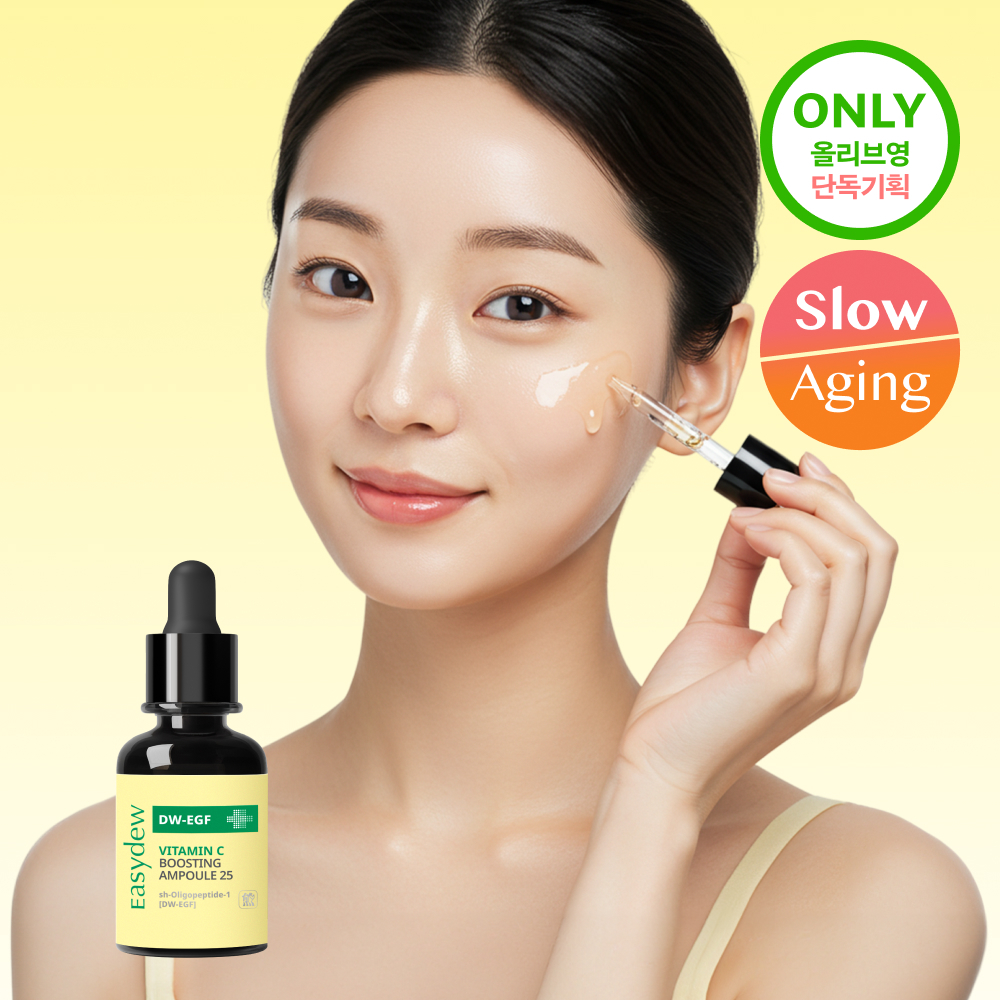
DW-EGF Vitamin C Boosting Ampoule 25
Easydew
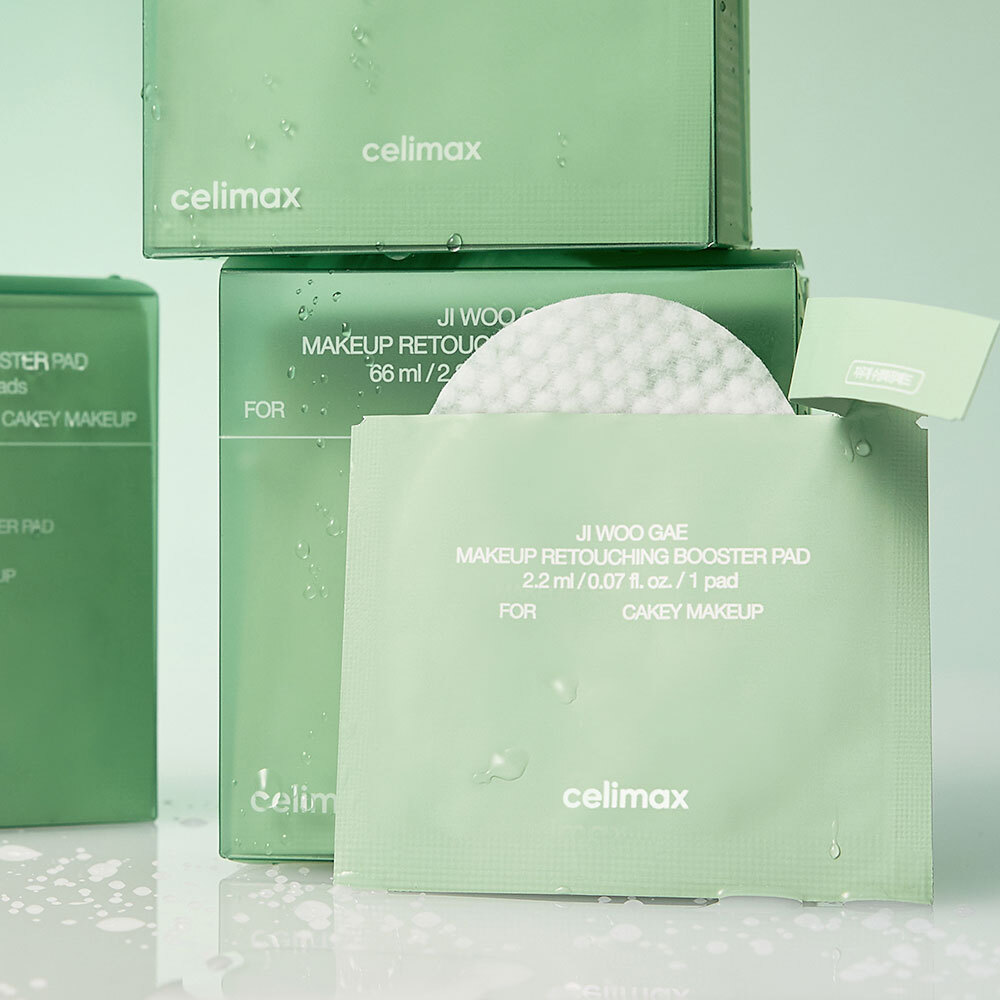
Makeup Retouching Booster Pad
Celimax
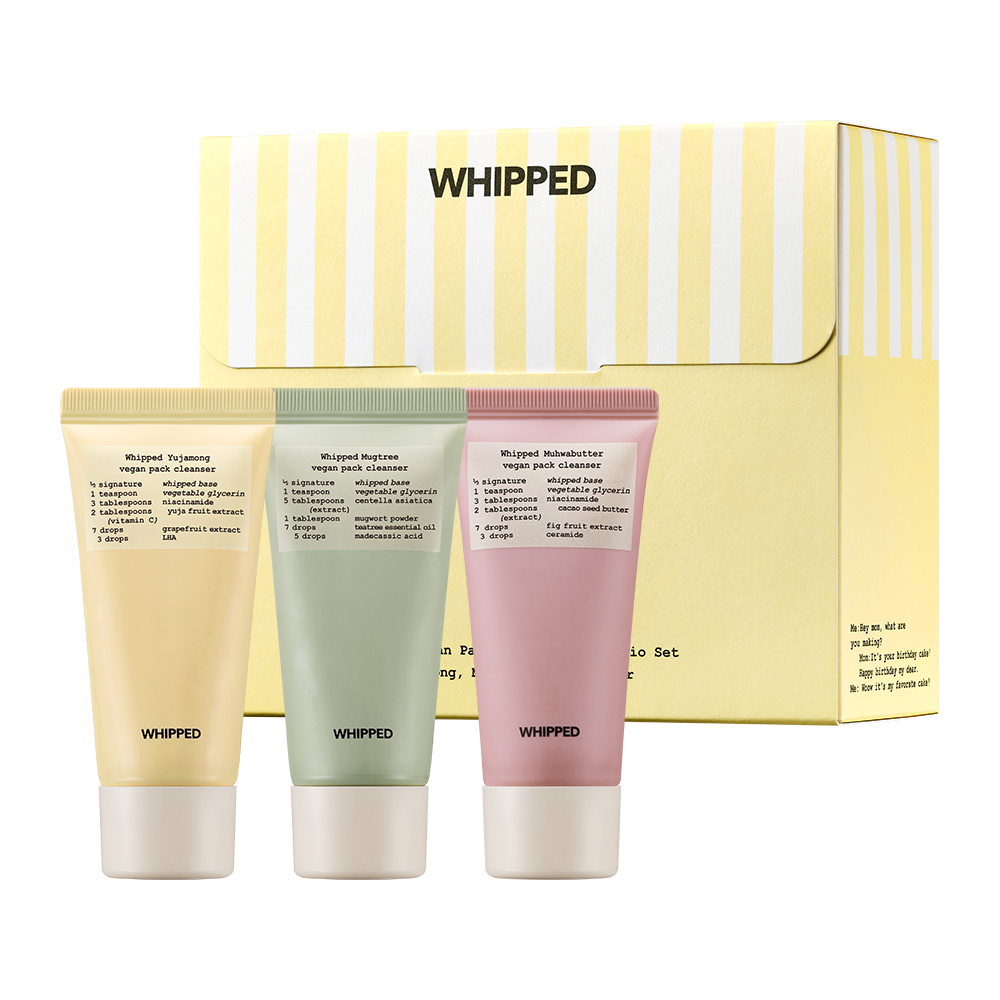
Vegan Pack Cleanser Gift Set (Mugtree + Muhwabutter + Yujamong)
Whipped

Vitamin C Booster Shot
Arencia
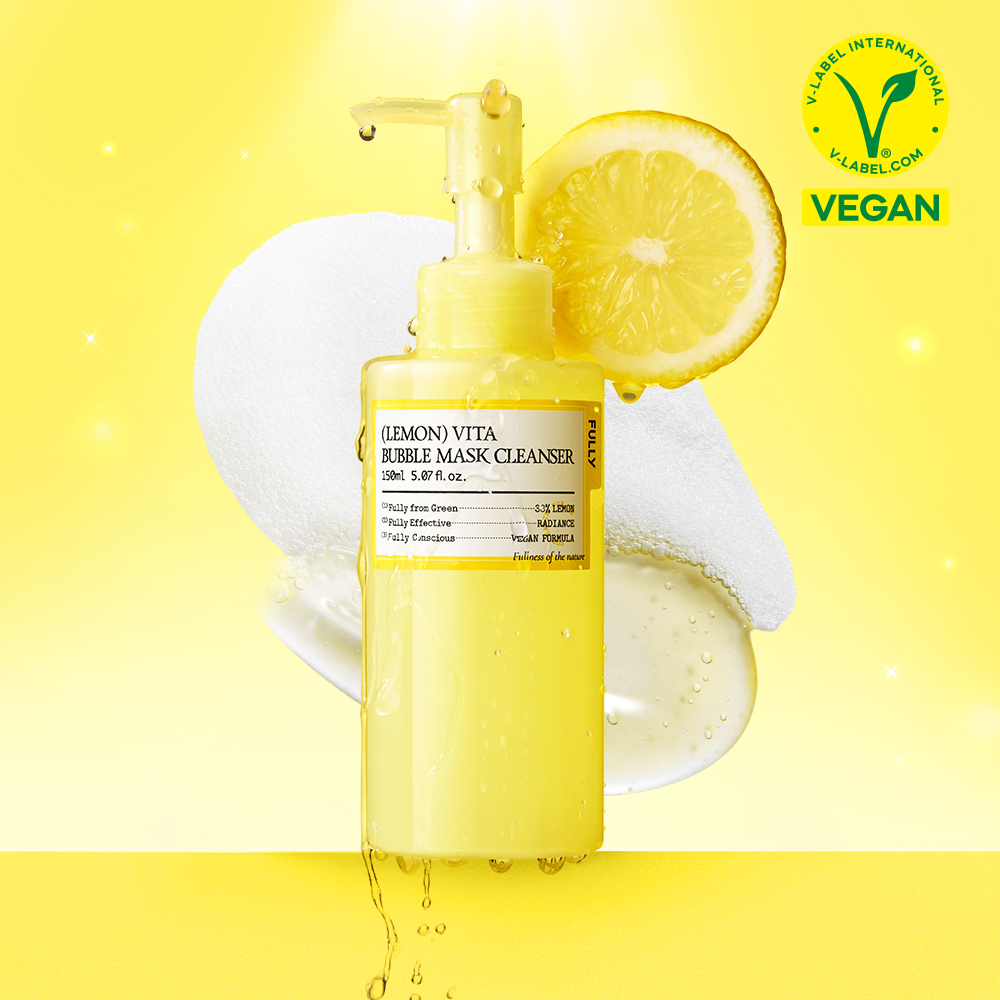
Lemon Vita Bubble Pack Cleanser
Fully
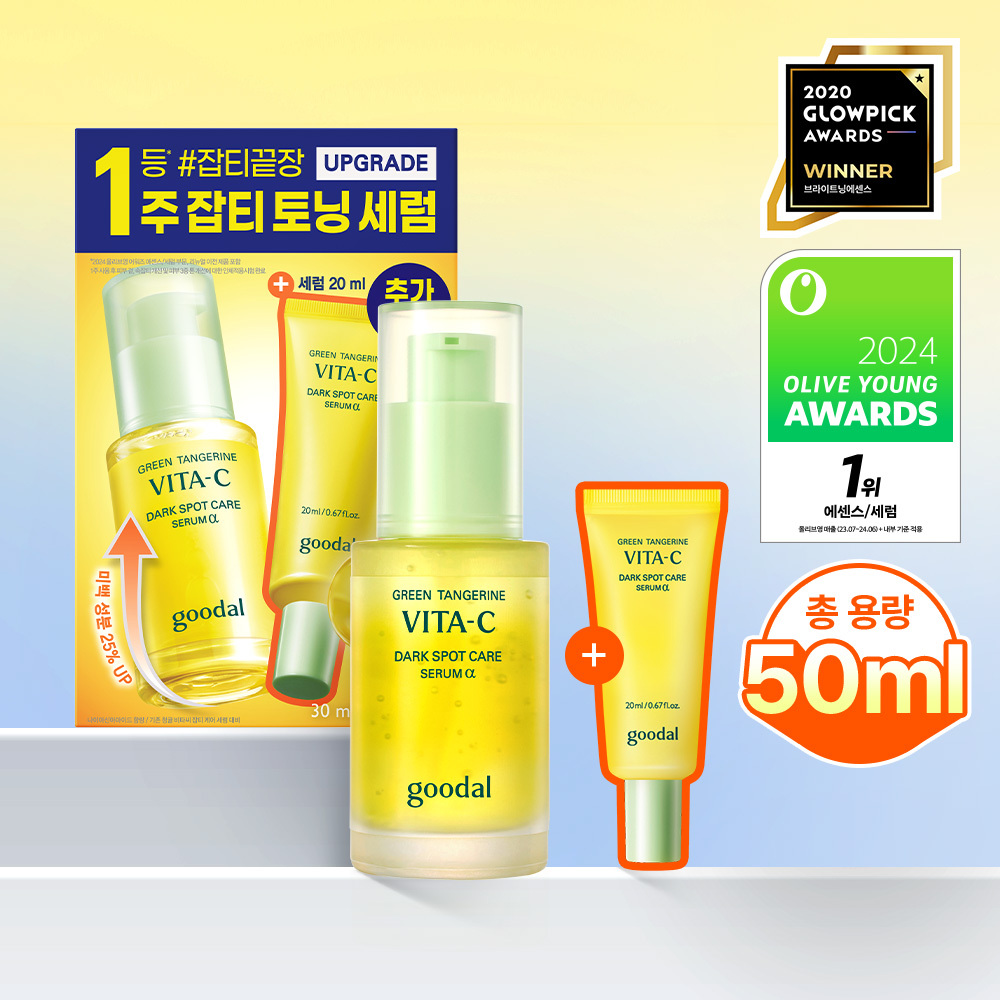
Green Tangerine Vita-C Dark Spot Care Serum α
Goodal
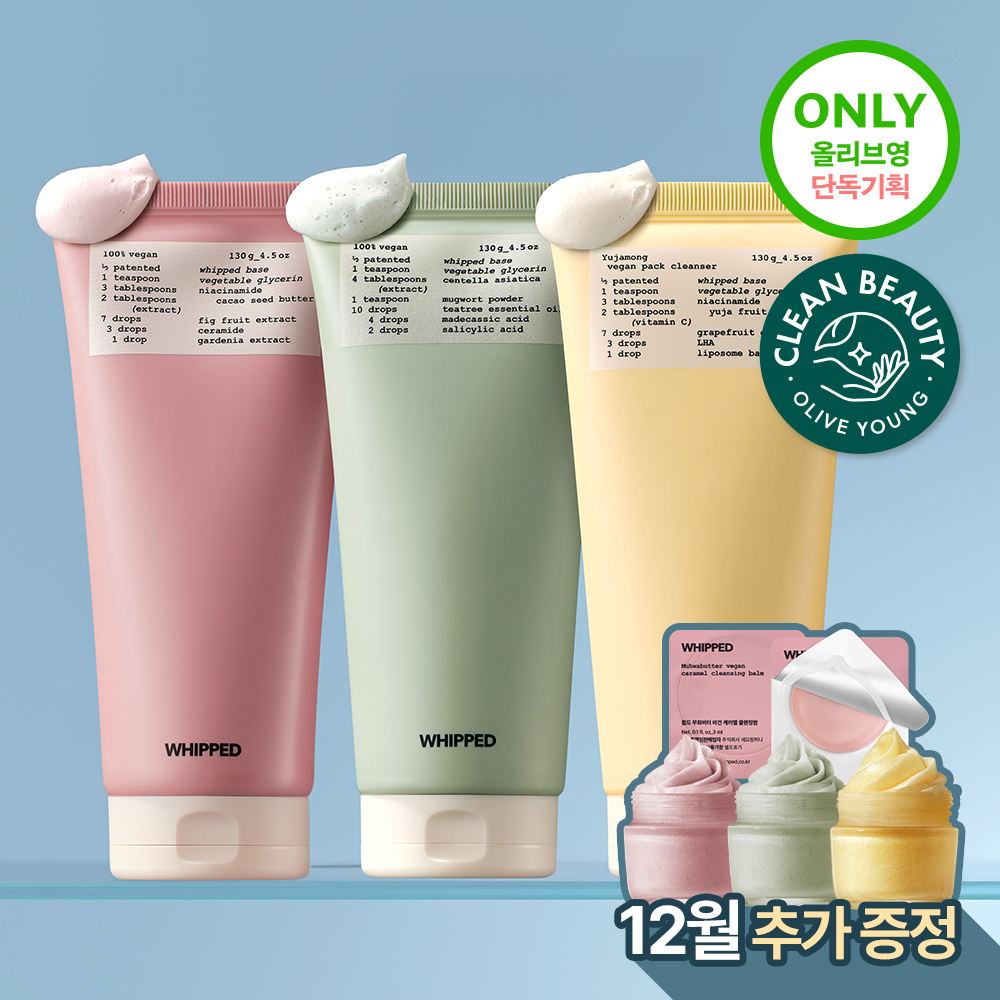
Vegan Pack Cleanser Set
Whipped
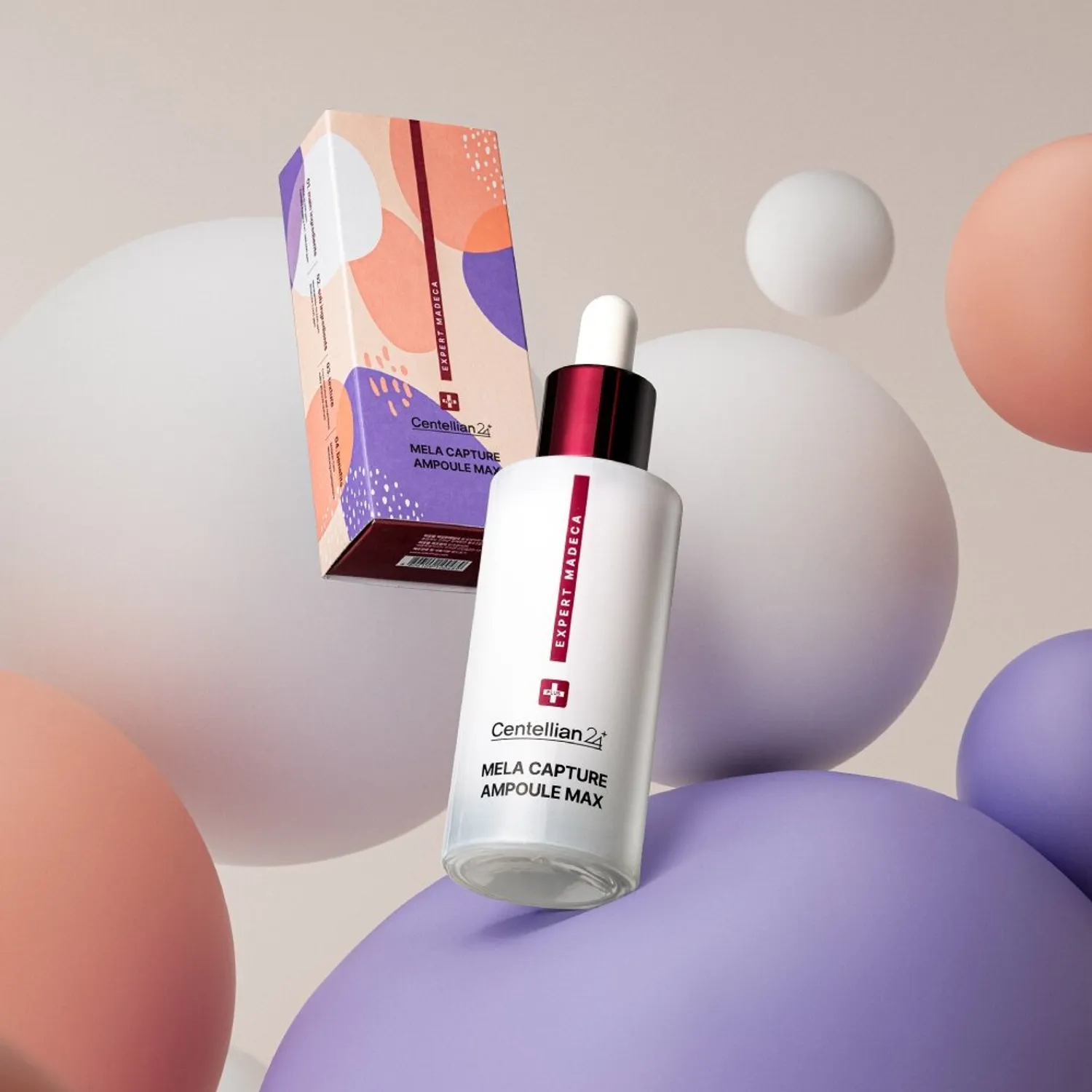
Expert Madeca Mela Capture Ampoule Max
Centellian24

Retino Collagen Low Molecular 300 Guasha Neck Cream
CKD
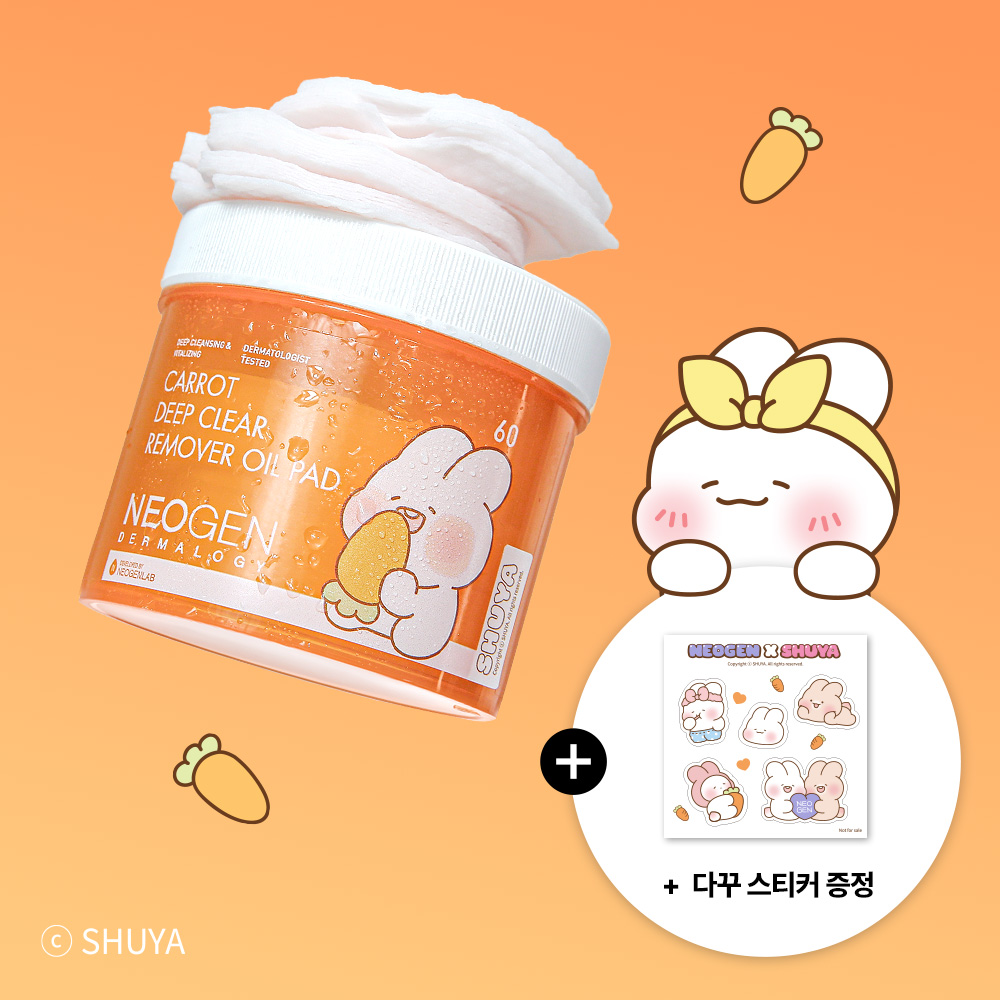
Dermalogy Carrot Deep Clear Remover Oil Pad
Neogen
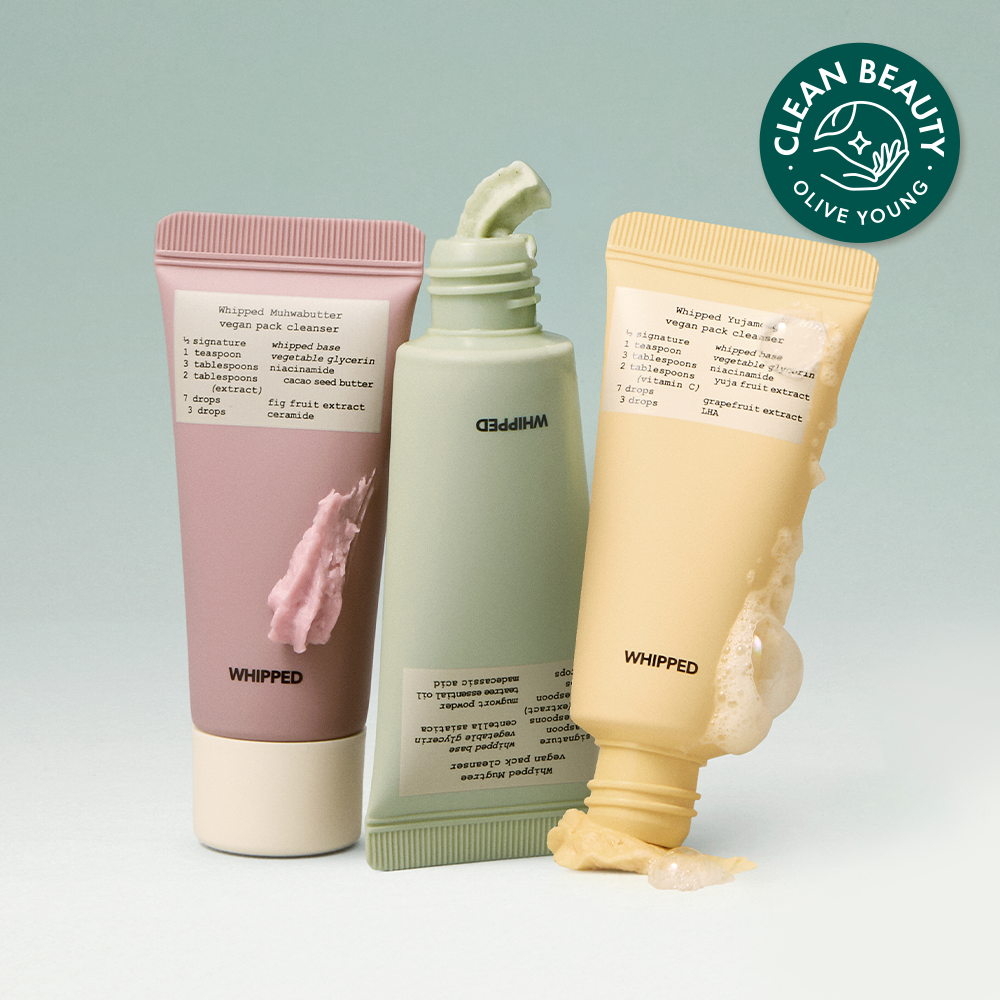
Vegan Pack Cleanser
Whipped
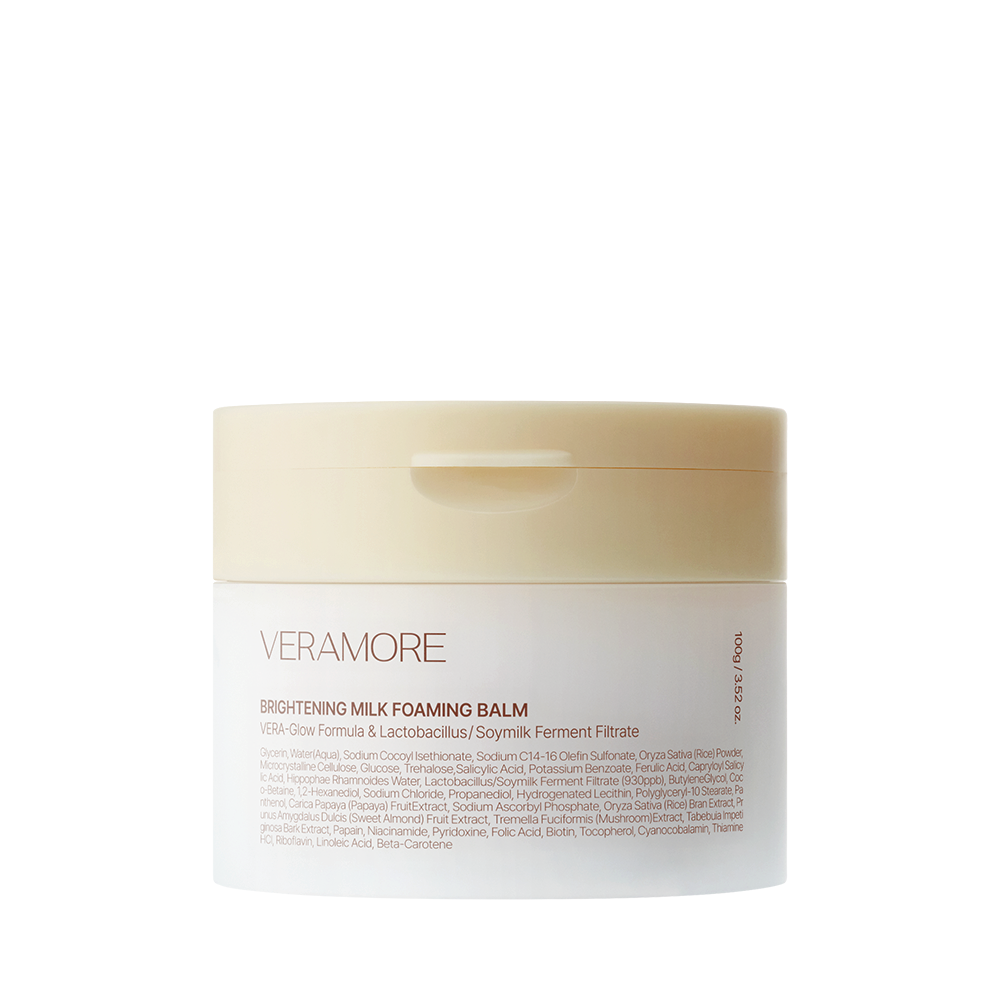
Veramore Brightening Milk Foaming Balm
Banila Co
Frequently Asked Questions
Is Sodium Ascorbyl Phosphate as effective as pure vitamin C?▼
Can I use Sodium Ascorbyl Phosphate if I have acne?▼
Why do I see Sodium Ascorbyl Phosphate in so many different K-beauty products?▼
How long does it take to see brightening results from SAP?▼
Articles About Vitamin C Derivative
Best Korean Skincare for PIH: How to Fade Post-Acne Dark Spots
PIH (brown post-acne marks) needs pigment-pathway ingredients, not the barrier-calming actives that work on red PIE marks. Here is what actually fades dark spots, and how long it really takes.
Given Up on Vitamin C? Here's Why (And What to Try)
If your vitamin C serum turned orange, stung your face, or just did nothing, you're not the problem, the form of vitamin C probably is. Here's what's actually going on and what to reach for instead.
How to Get Rid of Hyperpigmentation: K-Beauty Guide
Hyperpigmentation isn't a willpower problem, it's a melanin problem, and most people are treating the wrong layer. Here's what actually fades dark spots, with the K-beauty products and ingredients I'd reach for first.
Explore More
Want personalized ingredient advice?
Yuri, our AI beauty advisor, can tell you how Vitamin C Derivative works with your specific skin type, routine, and concerns.
Ask Yuri, free