Hydrolyzed Hyaluronic Acid
INCI: Hydrolyzed Sodium Hyaluronate
Deep penetrating humectant for enhanced hydration
About Hydrolyzed Hyaluronic Acid
Hydrolyzed Hyaluronic Acid is a next-generation form of hyaluronic acid that's been broken down into smaller molecular fragments through hydrolysis. While regular hyaluronic acid is amazing at surface hydration, its large molecules can't penetrate deeply into skin. Hydrolyzed versions solve this problem by offering molecular weights as low as 3,000 Daltons (compared to standard HA's 1-3 million Daltons), allowing them to slip between skin cells and deliver moisture where it's needed most. This makes it particularly valuable in K-beauty formulations, where multi-layered hydration is a core philosophy. Korean brands have pioneered the use of multi-weight hyaluronic acid systems, often combining hydrolyzed HA with medium and high molecular weight versions to create what's known as 3D hydration. The result is both immediate plumping on the surface and longer-lasting moisture retention in deeper skin layers. You'll find this ingredient across nearly every category in K-beauty, from cleansers that won't strip moisture to serums designed for intensive hydration. With 655 products on Seoul Sister containing this powerhouse humectant, it's clear that Korean skincare formulators recognize its ability to transform how skin holds water. Unlike some trendy ingredients that promise miracles, hydrolyzed hyaluronic acid has robust scientific backing and a perfect safety profile, making it suitable for even the most sensitive skin types.
How Hydrolyzed Hyaluronic Acid Works
Hydrolyzed Hyaluronic Acid works by penetrating past the stratum corneum (your skin's outermost layer) to deliver hydration at multiple depths. Its small molecular size allows it to travel through the spaces between corneocytes, reaching the living epidermis where it binds to water molecules with impressive efficiency. Each molecule can hold up to 1,000 times its weight in water, creating a reservoir of moisture within the skin rather than just on top of it. Once inside, it doesn't just sit there. The ingredient stimulates fibroblasts to produce more of your skin's own natural hyaluronic acid and can upregulate genes associated with moisture barrier function. This creates a positive feedback loop where you're not just adding temporary hydration, you're actually improving your skin's ability to generate and retain moisture long-term. At the cellular level, hydrolyzed HA also demonstrates anti-inflammatory properties by modulating cytokine production, which is why it's effective for calming irritated skin. Because it reaches deeper layers, it provides longer-lasting hydration compared to surface-acting humectants, typically maintaining moisture levels for 12-24 hours after application.
Hydrolyzed Hyaluronic Acid by Skin Type
Oily Skin
Hydrolyzed Hyaluronic Acid is excellent for oily skin because it provides weightless hydration without adding oil or heaviness. When oily skin is dehydrated (which happens more often than people think), it can actually overproduce sebum to compensate, so this ingredient helps break that cycle by delivering deep moisture that signals your skin to calm down oil production.
Dry Skin
This is where hydrolyzed HA truly shines. Dry skin lacks both water and the ability to retain it, and this ingredient addresses both issues by penetrating deeply and holding moisture in place. The molecular fragments work synergistically with your moisturizer, helping it perform better and extending its hydrating effects throughout the day.
Combo Skin
Perfect for combination skin because its lightweight texture won't congest oily zones while still providing adequate hydration to dry patches. The deep penetration means you get balanced moisture across different areas without the heavy feeling that can make T-zones greasy.
Sensitive Skin
With a 5/5 safety rating and 0/5 comedogenic rating, hydrolyzed hyaluronic acid is one of the gentlest hydrators available for sensitive skin. Its anti-inflammatory properties actually help calm reactivity, and because it's a naturally occurring substance in human skin, the risk of irritation is minimal. Many sensitive skin sufferers find this ingredient soothing rather than aggravating.
Normal Skin
Even normal skin benefits from the multi-depth hydration that hydrolyzed HA provides. It helps maintain your skin's optimal moisture balance and acts as preventative care against dehydration from environmental stressors, essentially keeping your normal skin normal.
How to Use Hydrolyzed Hyaluronic Acid
- 1Apply hydrolyzed HA products to damp skin, not dry. The ingredient needs water molecules to bind to, so misting your face first or applying right after cleansing maximizes its effectiveness.
- 2Layer it under heavier moisturizers or occlusives to lock in the hydration. Hydrolyzed HA draws water into skin, but you need something on top to prevent that water from evaporating back out.
- 3You can use products containing this ingredient morning and night without worry. Unlike some actives that need careful timing, hydrolyzed hyaluronic acid works well with everything and won't cause sensitivity with frequent use.
- 4In dry climates or during winter, make sure to pair hydrolyzed HA with a good moisturizer. In very low humidity environments, humectants can potentially draw water from deeper skin layers if there's no environmental moisture available, so sealing it in is crucial.
- 5Don't skip it in your morning routine. Hydrolyzed HA creates an excellent base for makeup application and helps sunscreen spread more evenly while preventing that tight, dry feeling some UV filters can cause.
Background
Hyaluronic acid itself was first isolated from cow eyes in 1934 by German researchers, but the hydrolyzed form emerged much later as biotechnology advanced. Korean skincare companies were among the first to commercialize multi-weight hyaluronic acid systems in the early 2010s, recognizing that molecular size dramatically affects penetration and performance. The hydrolysis process uses either enzymatic or chemical methods to break down high molecular weight HA into precise smaller fragments. K-beauty brands popularized the concept of layering different molecular weights (often called low, medium, and high) to achieve that coveted "chok chok" dewy glow. Products like Torriden's Dive-In line specifically highlight low molecular hyaluronic acid as their hero ingredient, reflecting Korean skincare's science-driven approach. The ingredient gained mainstream Western attention around 2016-2017 as K-beauty's hydration-first philosophy went global, but Korean formulators had been perfecting its use for years prior.
K-Beauty Products with Hydrolyzed Hyaluronic Acid
View all 706 →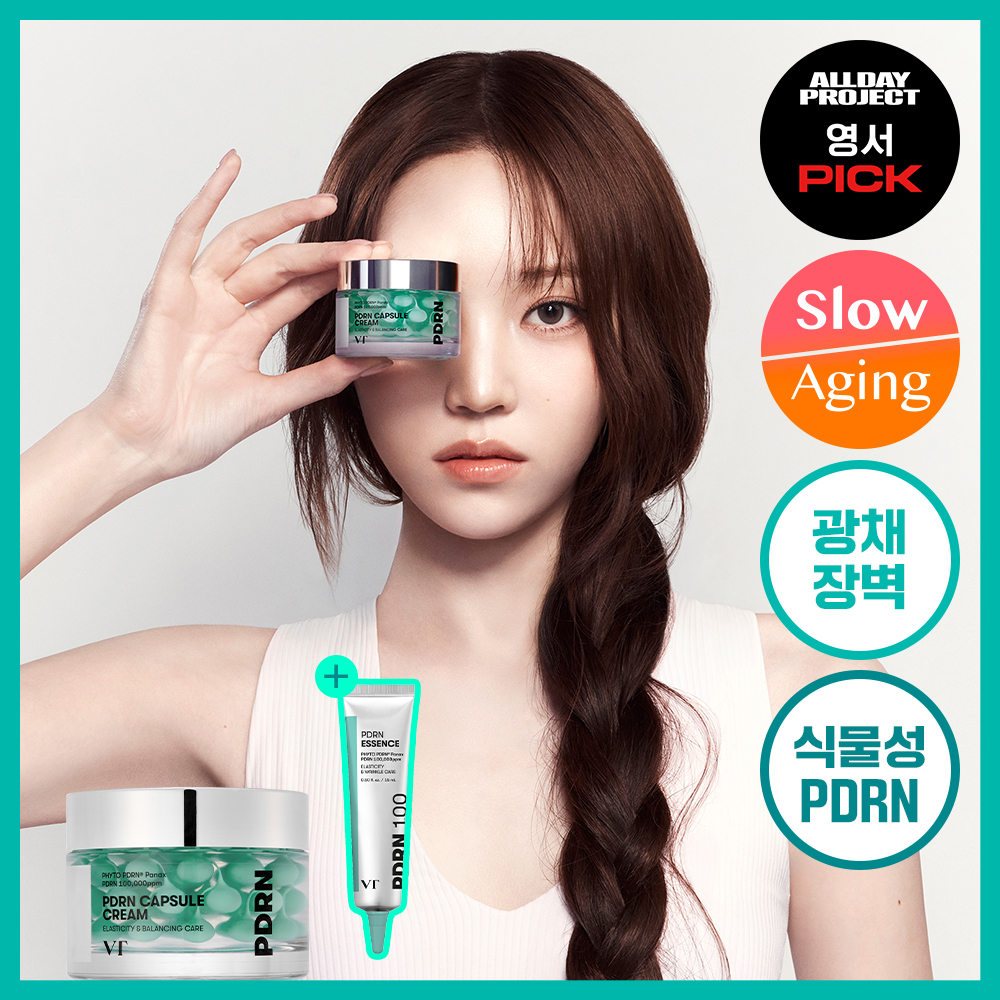
PDRN Capsule Cream 100
VT
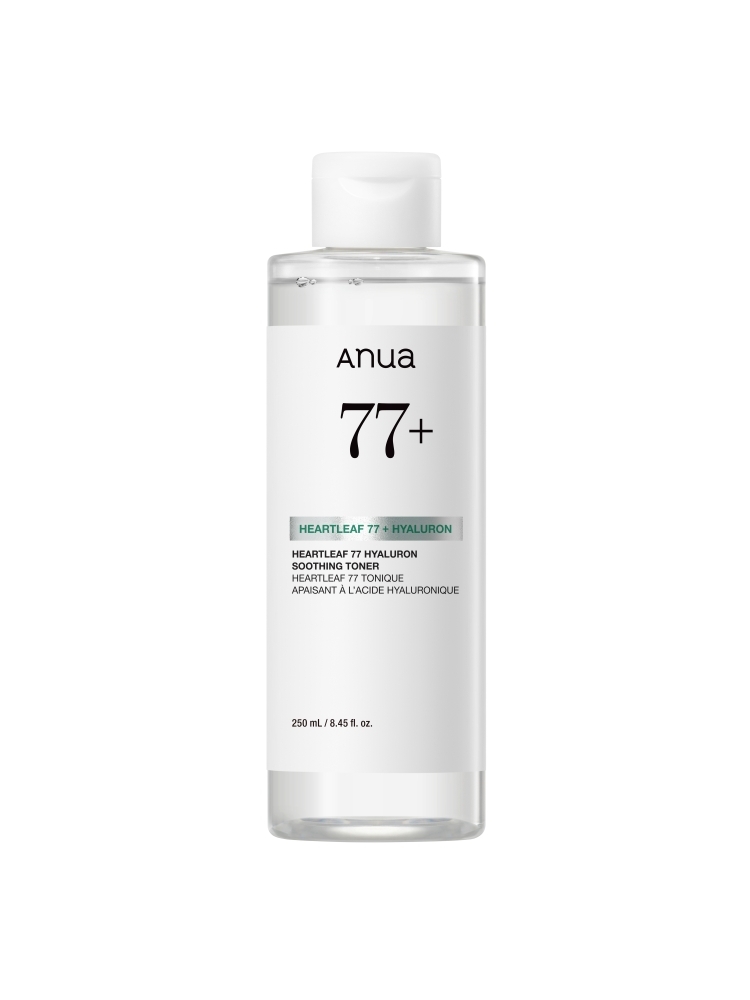
Heartleaf 77 Hyaluron Soothing Toner Double Pack
Anua
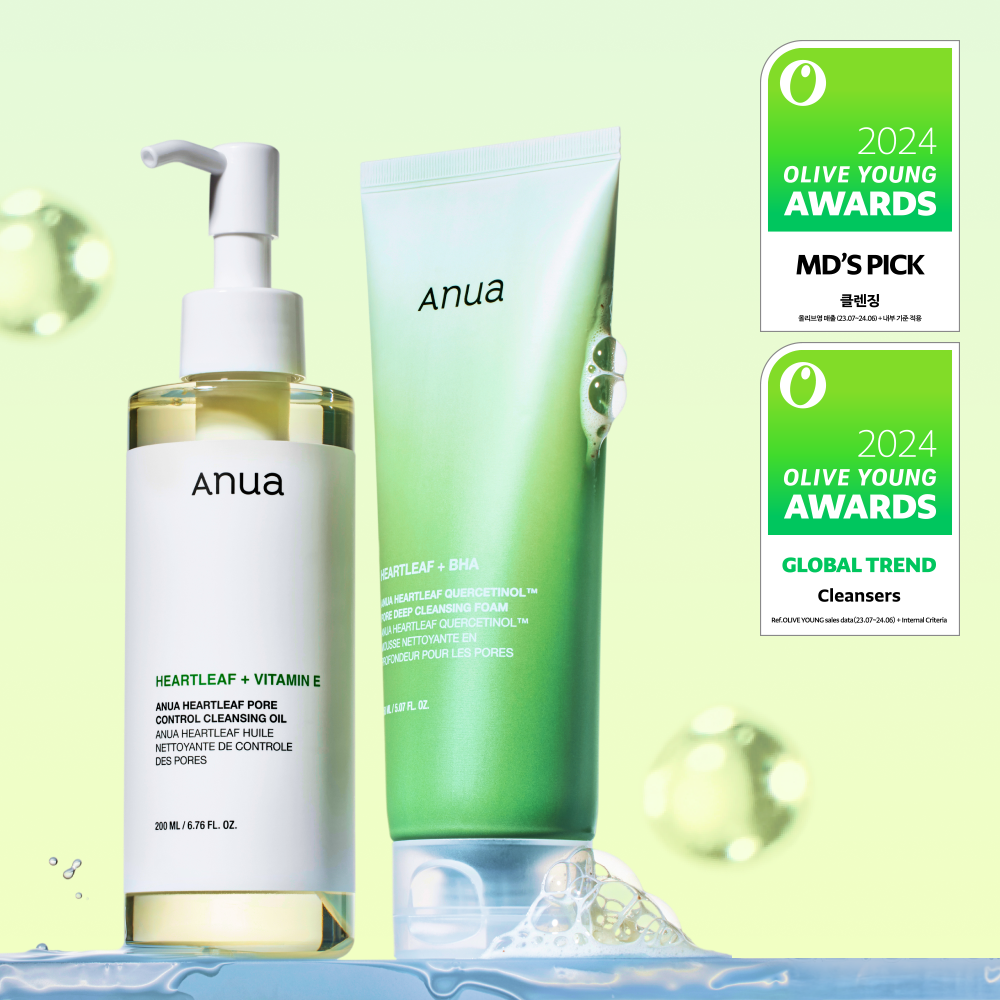
Heartleaf Double Cleansing Set
Anua
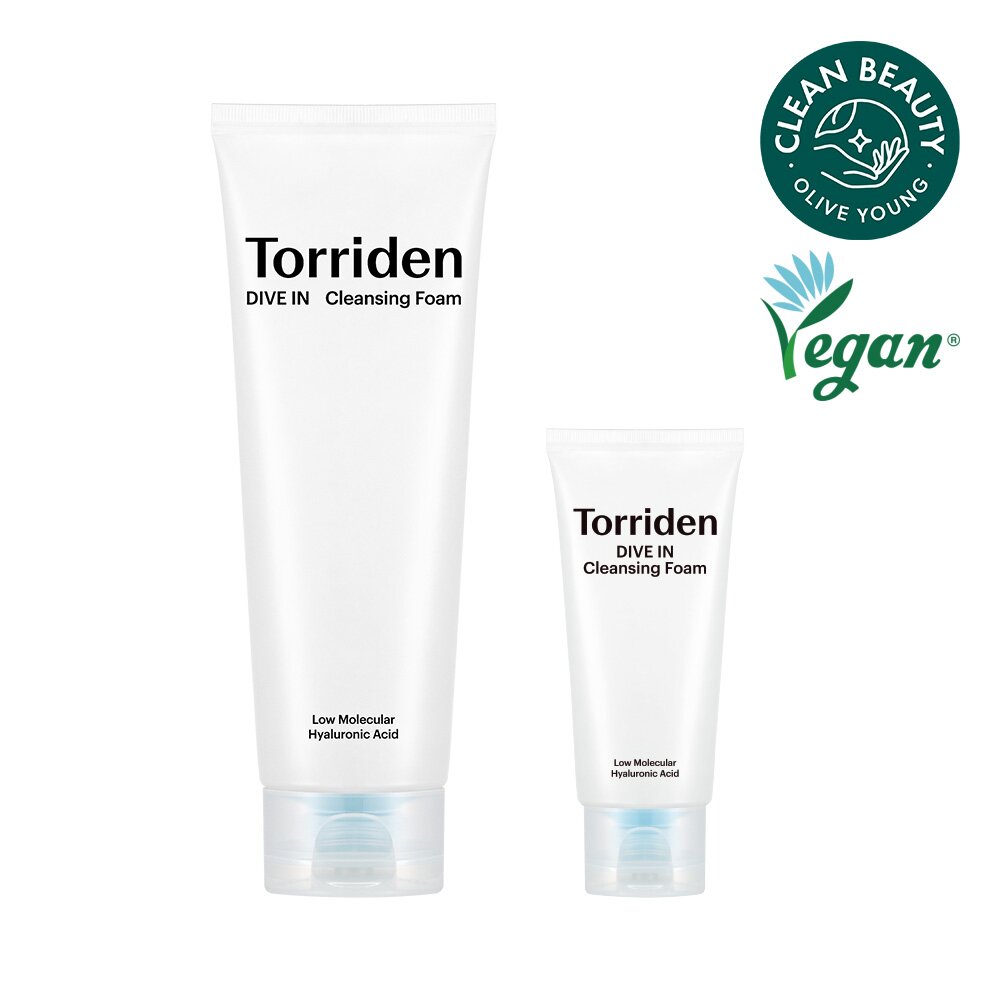
Dive-In Low Molecule Hyaluronic Acid Cleansing Foam
Torriden

PDRN Hyaluronic Capsule 100 Serum Refill Set
Anua

PDRN Hyaluronic Acid 100 Moisturizing Cream
Anua
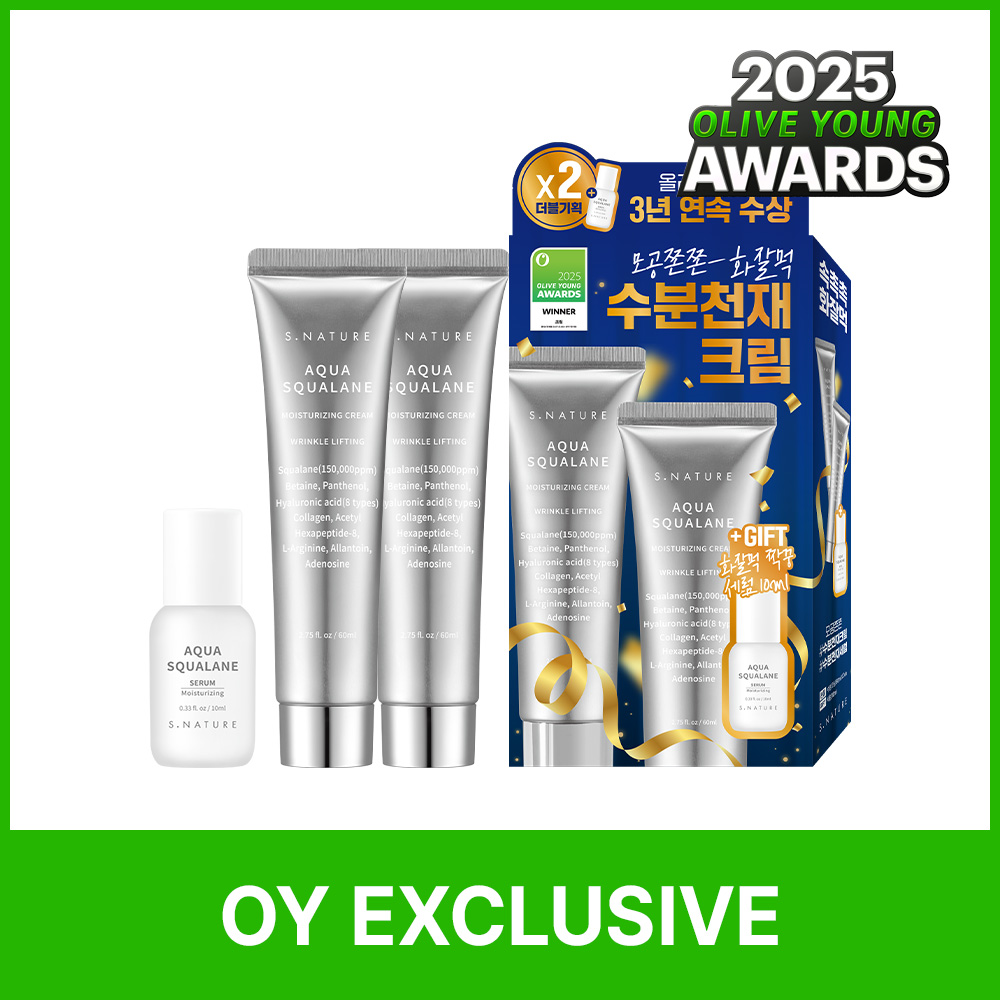
Aqua Squalane Moisturizing Cream
S.Nature
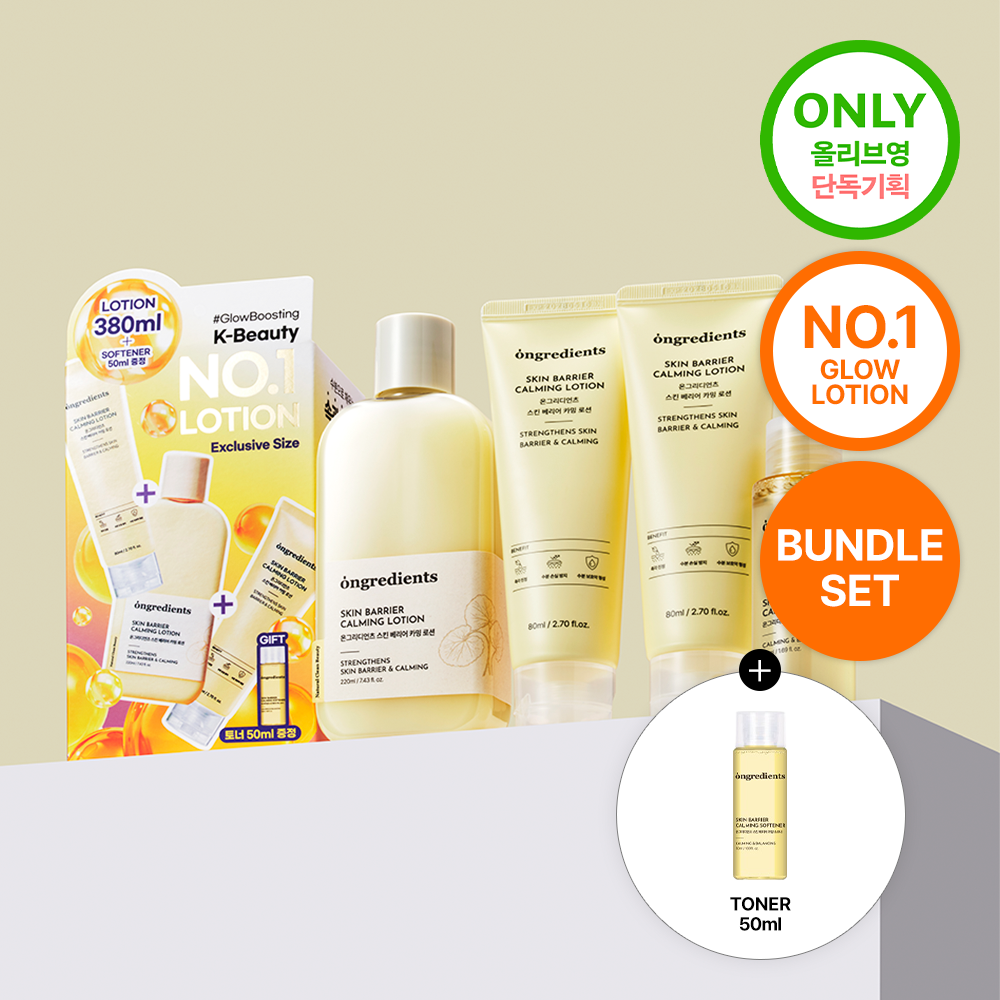
Skin Barrier Calming Large Size Set (Lotion + Softener)
Ongredients
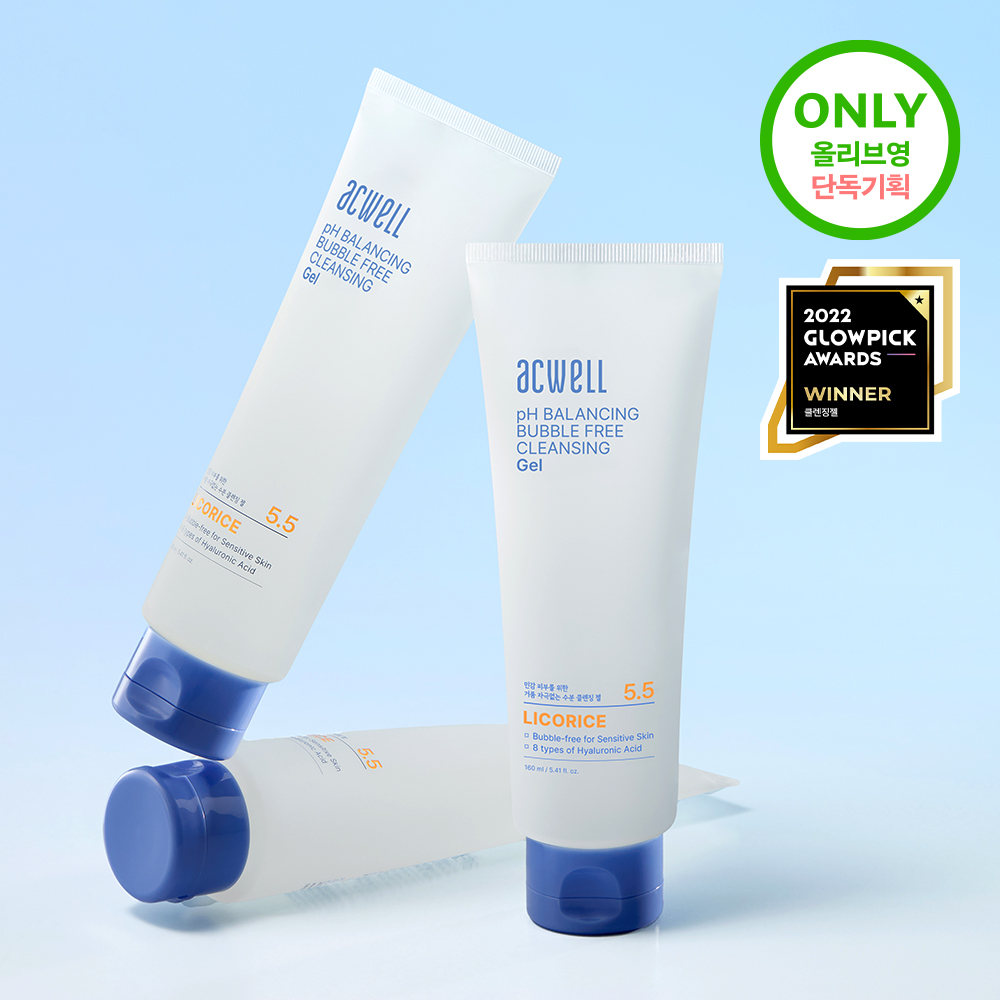
pH Balancing Bubble Free Cleansing Gel
Acwell

Niacinamide 10% + TXA 4% Dark Spot Correcting Serum
Anua
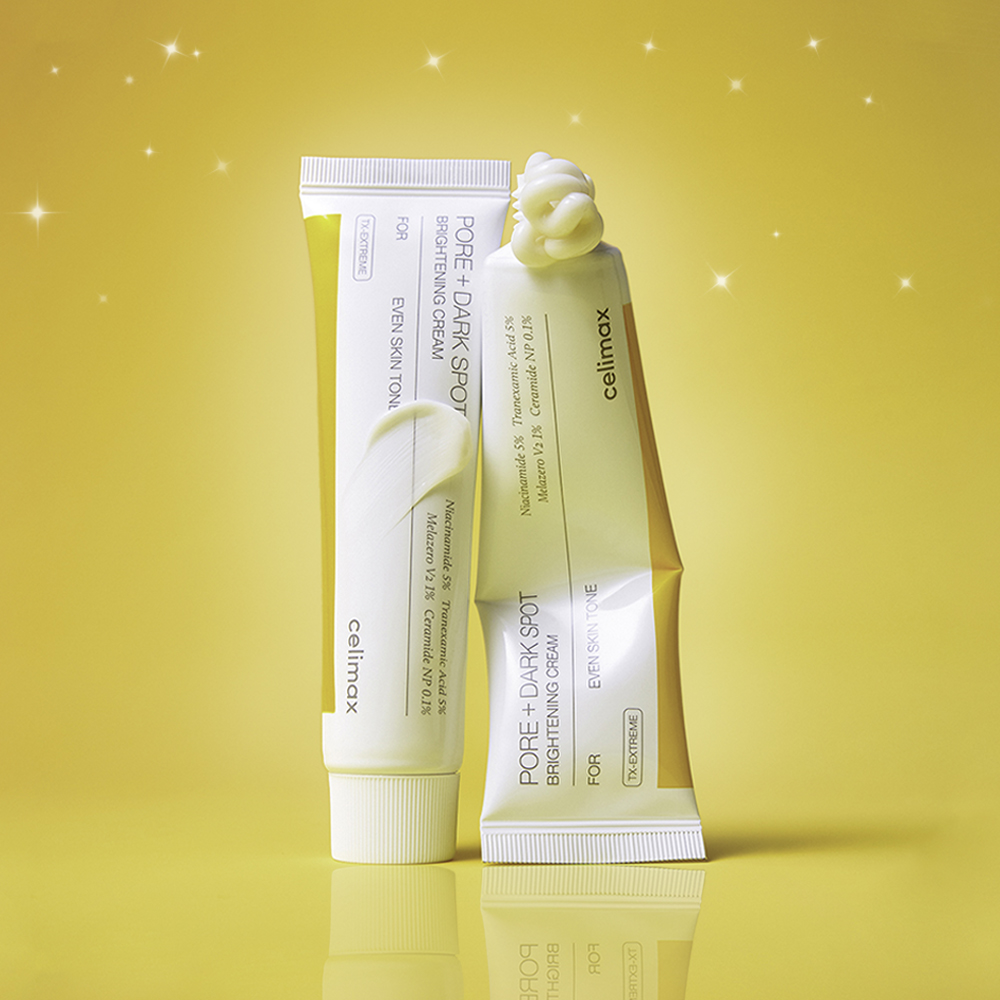
Pore + Dark Spot Brightening Cream
Celimax

147 Barrier Cream
Dr. Althea
Frequently Asked Questions
What's the difference between regular hyaluronic acid and hydrolyzed hyaluronic acid?▼
Can I use hydrolyzed hyaluronic acid if I have acne-prone skin?▼
How many products with hydrolyzed HA should I use in my routine?▼
Does hydrolyzed hyaluronic acid work in dry climates?▼
Why do so many high-rated K-beauty products contain hydrolyzed hyaluronic acid?▼
Articles About Hydrolyzed Hyaluronic Acid
How Do You Build a Korean Skincare Routine You'll Actually Stick To?
The people with great skin aren't the ones with 12 steps. They're the ones who found 4 or 5 products that work and used them consistently. Here's how to build a routine that survives past month two.
Best Korean Skincare for Dry Skin With Pigmentation: A Routine That Treats Both
Treating pigmentation when your skin is dry feels like a catch-22. Most brightening actives are harsh, and most hydrating routines ignore dark spots entirely. Here's how to build a K-beauty routine that does both without compromise.
Explore More
Want personalized ingredient advice?
Yuri, our AI beauty advisor, can tell you how Hydrolyzed Hyaluronic Acid works with your specific skin type, routine, and concerns.
Ask Yuri, free