Ceramide AP
Lipid barrier repair and moisture retention
About Ceramide AP
Ceramide AP is a bioidentical lipid molecule that mimics one of the essential ceramides naturally found in your skin's outermost protective layer. Part of the larger ceramide family, Ceramide AP (also known as Ceramide 6-II or Ceramide 6) plays a critical role in maintaining the skin barrier's structural integrity and preventing moisture loss. In K-beauty formulations, Ceramide AP is prized for its ability to repair compromised skin barriers, which is especially important given Korea's fluctuating climate and the popularity of intensive exfoliation routines. Unlike some moisturizing ingredients that simply sit on the surface, Ceramide AP integrates directly into the lipid matrix between skin cells, essentially patching up gaps in your barrier. This makes it invaluable for anyone dealing with dehydration, sensitivity, or the aftermath of aggressive treatments. With a perfect safety rating of 5/5 and zero comedogenic potential, Ceramide AP works across all skin types without triggering breakouts or irritation. Its presence in 212 K-beauty products on Seoul Sister reflects the Korean skincare philosophy that a healthy barrier is the foundation of all other skin goals, whether that's achieving glass skin, calming redness, or maintaining hydration through harsh winters.
How Ceramide AP Works
Ceramide AP functions by literally filling in the spaces between corneocytes (dead skin cells) in your stratum corneum, the outermost layer of skin. Think of your skin barrier like a brick wall, where cells are the bricks and lipids like Ceramide AP are the mortar holding everything together. When your barrier is compromised due to environmental stress, over-exfoliation, or natural aging, the lipid matrix becomes disorganized and gaps form, allowing moisture to escape and irritants to penetrate. Ceramide AP has a specific molecular structure with both hydrophilic (water-loving) and lipophilic (oil-loving) components, allowing it to organize into structured bilayers that reinforce barrier architecture. At the cellular level, Ceramide AP also plays a role in regulating keratinocyte differentiation and promoting the synthesis of natural moisturizing factors. Additionally, it has been shown to modulate inflammatory pathways, which is why formulas containing Ceramide AP often help calm reactive skin. By restoring the barrier's lipid composition to something closer to its natural state, Ceramide AP enables your skin to better regulate water loss, defend against external aggressors, and maintain optimal hydration levels independently.
Ceramide AP by Skin Type
Oily Skin
Oily skin types often avoid rich, emollient ingredients, but Ceramide AP is an exception worth making. Because it has a comedogenic rating of 0/5, it repairs barrier function without clogging pores or adding surface oil. Many people with oily skin actually have a damaged barrier from over-cleansing or harsh acne treatments, which triggers compensatory oil production, so restoring ceramide levels can help normalize sebum output over time.
Dry Skin
Ceramide AP is arguably most transformative for dry skin, as chronic dryness often indicates depleted ceramide levels in the barrier. It works synergistically with other moisturizing ingredients to lock in hydration rather than just temporarily coating the surface. For severely dry or flaky skin, look for products that combine Ceramide AP with other barrier lipids like cholesterol and fatty acids for maximum repair.
Combo Skin
Combination skin benefits from Ceramide AP's ability to strengthen the barrier without adding weight or greasiness to oilier zones. It helps balance moisture levels across different facial areas, preventing the T-zone from overcompensating with oil while keeping drier cheek areas adequately hydrated. The ingredient's lightweight integration into skin makes it ideal for this skin type's conflicting needs.
Sensitive Skin
Sensitive skin thrives with Ceramide AP because barrier dysfunction is often the root cause of reactivity and inflammation. By repairing the protective lipid layer, Ceramide AP reduces the likelihood of irritants penetrating deeply enough to trigger immune responses. Its role in modulating inflammatory pathways means it actively calms existing sensitivity while preventing future flare-ups, making it a staple in Korean products designed for troubled or reactive skin.
Normal Skin
Even normal skin benefits from Ceramide AP as a preventative measure, maintaining optimal barrier function against daily environmental stressors like pollution, UV exposure, and temperature fluctuations. It helps preserve the balanced state of normal skin, preventing the gradual barrier degradation that naturally occurs with aging and external damage. Think of it as maintenance therapy for skin that's already in good condition.
How to Use Ceramide AP
- 1Layer Ceramide AP products after actives like retinol or AHAs/BHAs to repair any barrier compromise these treatments might cause and minimize irritation or peeling.
- 2For maximum effectiveness, use Ceramide AP products on slightly damp skin so the ingredient can help seal in that surface moisture and boost overall hydration levels.
- 3Combine products containing Ceramide AP with other barrier-supporting ingredients like niacinamide, cholesterol, and fatty acids for a complete lipid matrix repair approach that mimics skin's natural composition.
- 4If you're dealing with severely compromised skin (post-peel, eczema flare, windburn), consider using a Ceramide AP product both morning and night until barrier function visibly improves, indicated by reduced tightness and flaking.
Background
Ceramides were first isolated and identified in the 1980s by dermatological researchers studying the lipid composition of the stratum corneum. Scientists discovered that human skin contains nine distinct ceramide types, with Ceramide AP (originally classified as Ceramide 6-II under an older nomenclature system) playing a particularly important role in barrier maintenance and cell cohesion. Korean skincare brands were relatively early adopters of ceramide technology in the late 1990s and early 2000s, recognizing that the country's harsh winters and aggressive multi-step routines created widespread barrier damage. The development of synthetic bioidentical ceramides made it economically feasible to include these once-expensive ingredients in accessible products. Today, Ceramide AP appears across K-beauty categories from cleansers to serums, reflecting decades of research confirming that topical ceramide supplementation genuinely restores barrier function rather than just masking symptoms. The ingredient's prominence in 212 products on Seoul Sister demonstrates how thoroughly ceramide technology has been integrated into Korean formulation philosophy.
K-Beauty Products with Ceramide AP
View all 231 →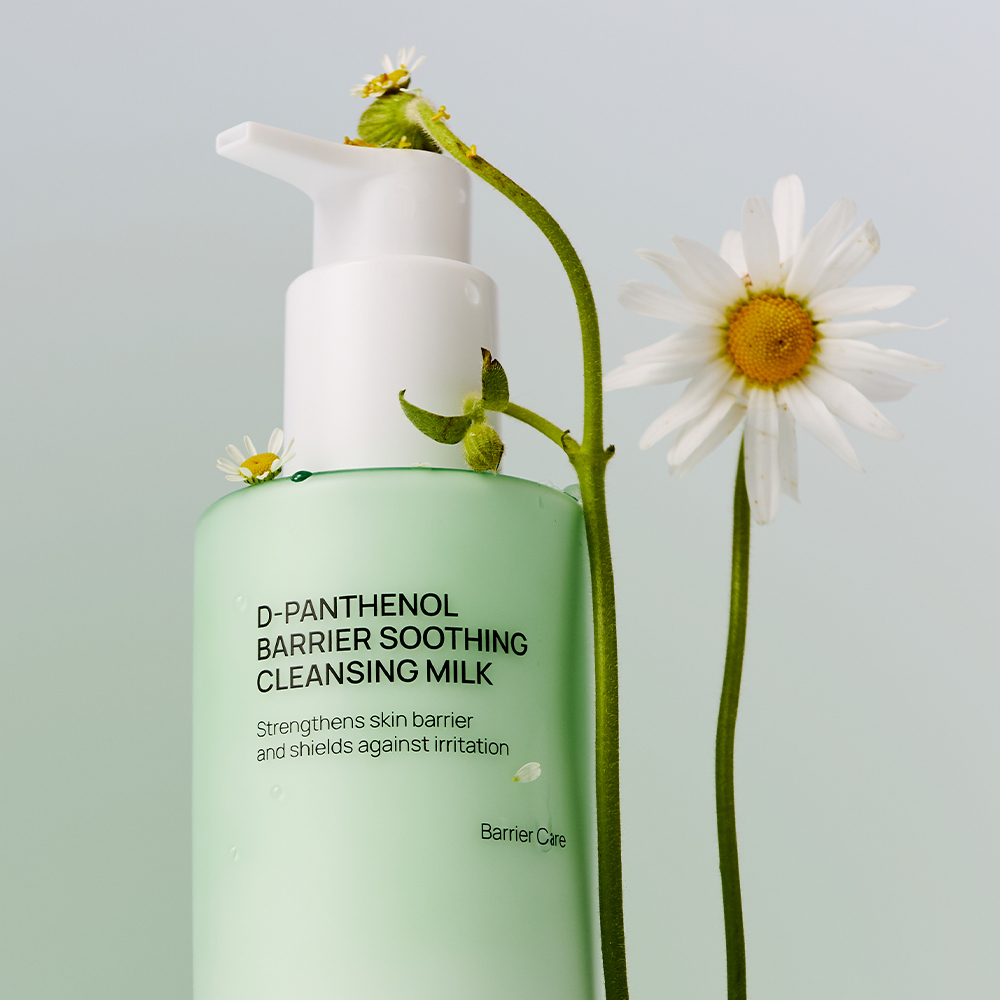
D-Panthenol Barrier Soothing Cleansing Milk
Jumiso
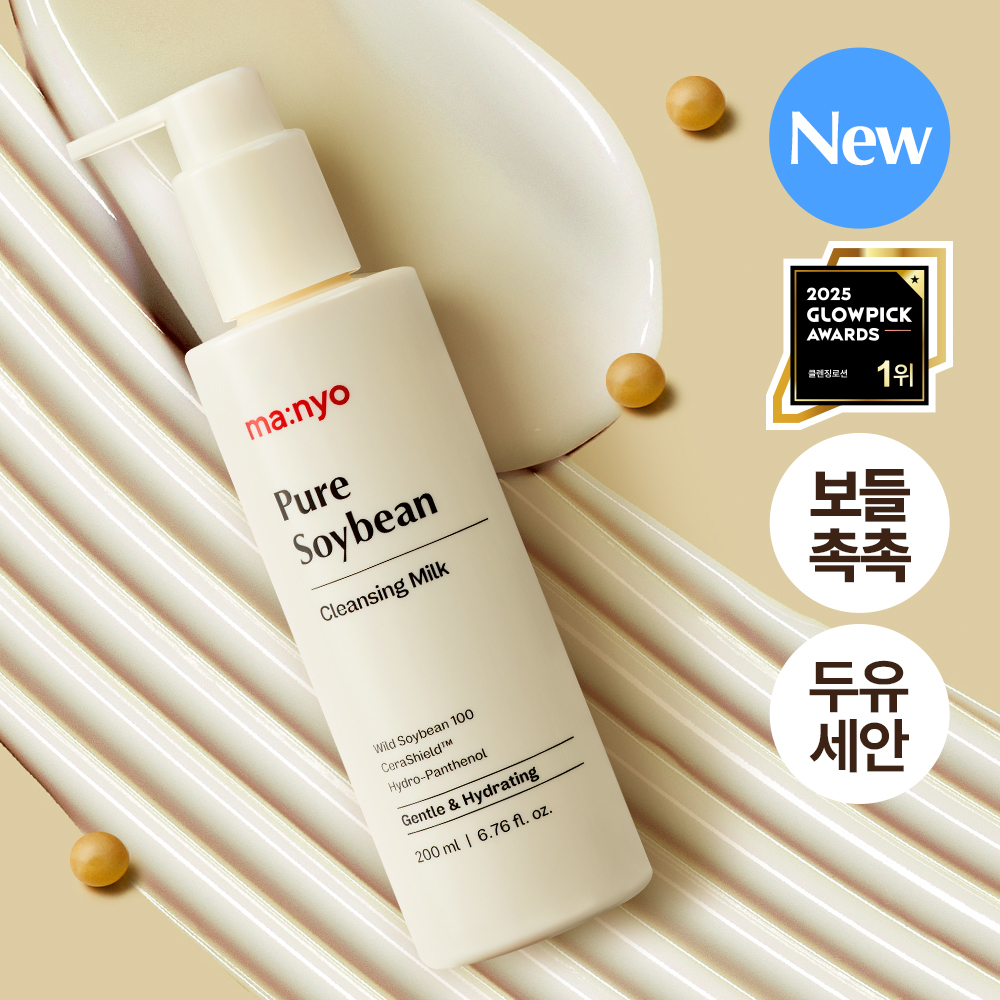
Pure Soybean Cleansing Milk
ma:nyo
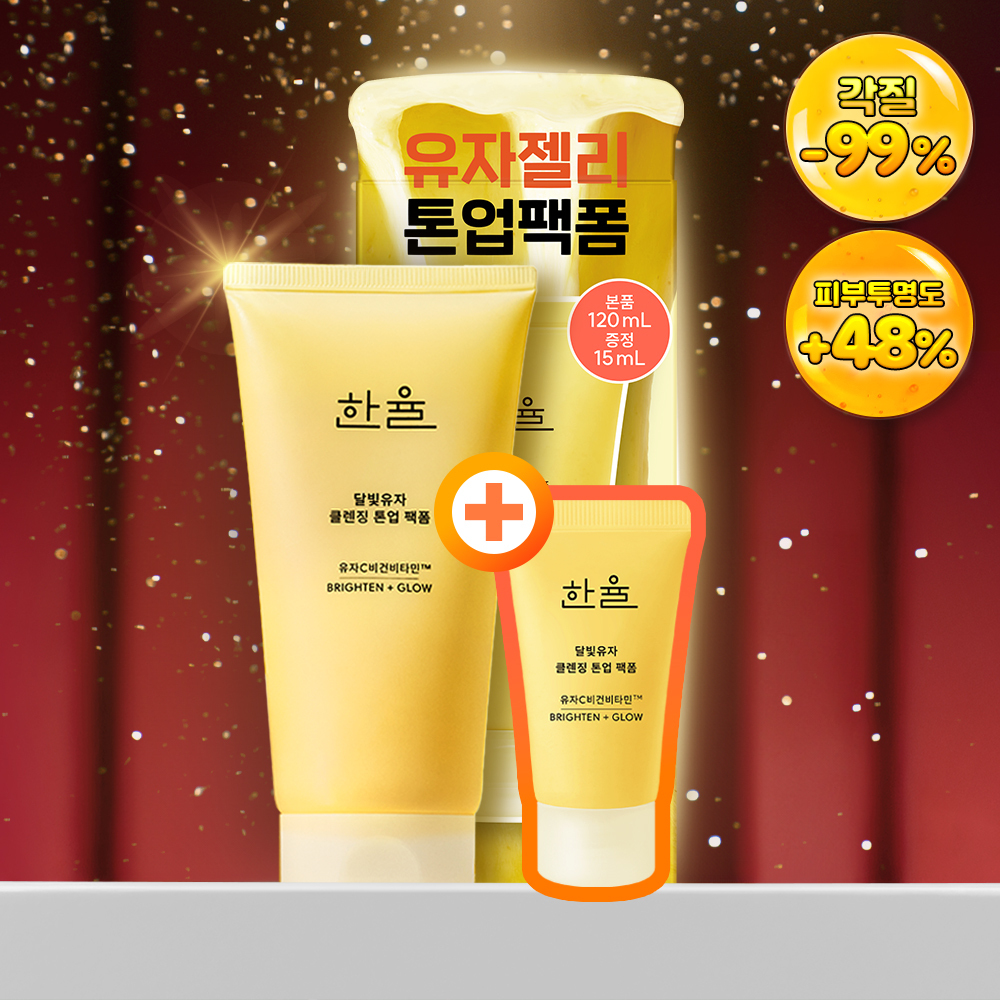
Yuja Cleansing Tone Up Pack Foam Set
Hanyul
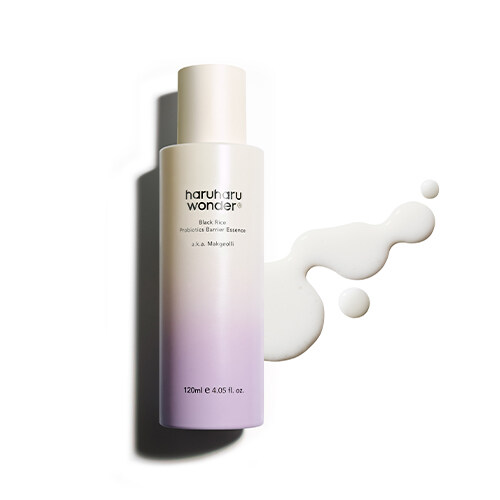
Black Rice Probiotics Barrier Essence
Haruharu Wonder
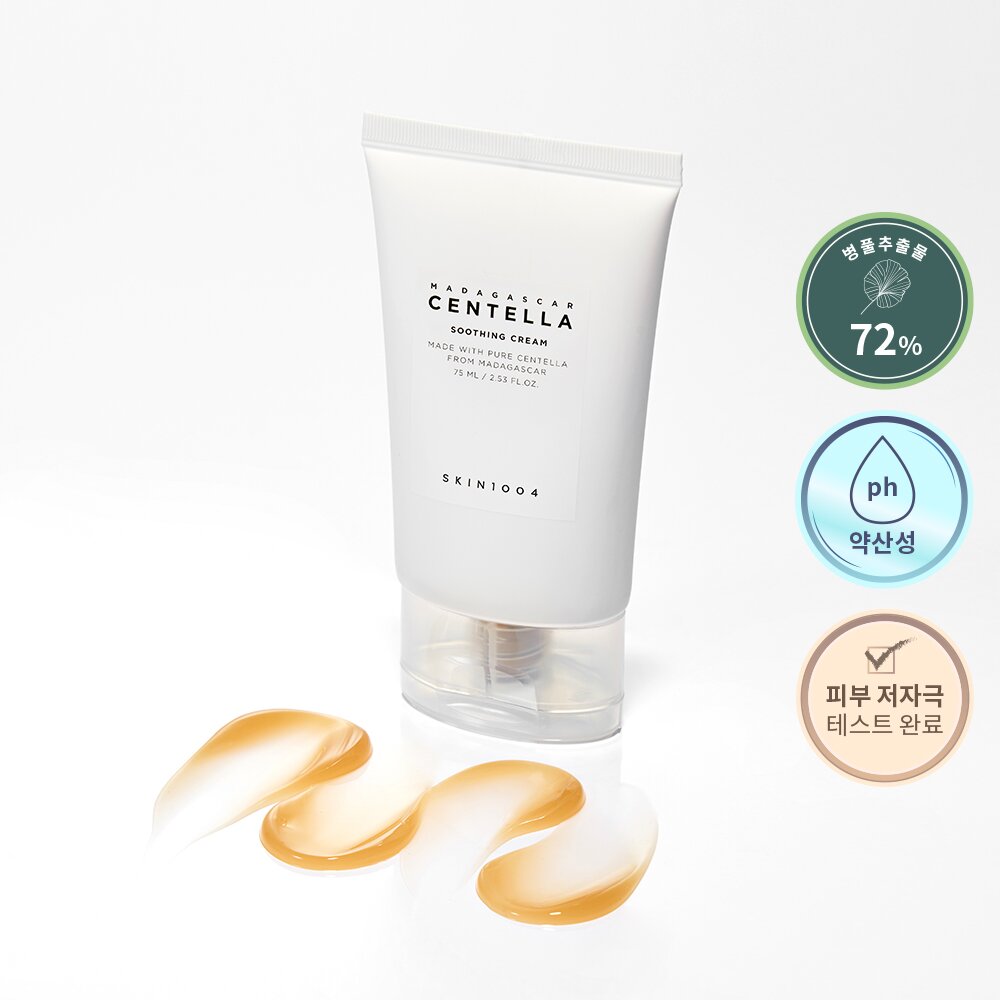
Madagascar Centella Soothing Cream
SKIN1004

PDRN Essence 100
VT
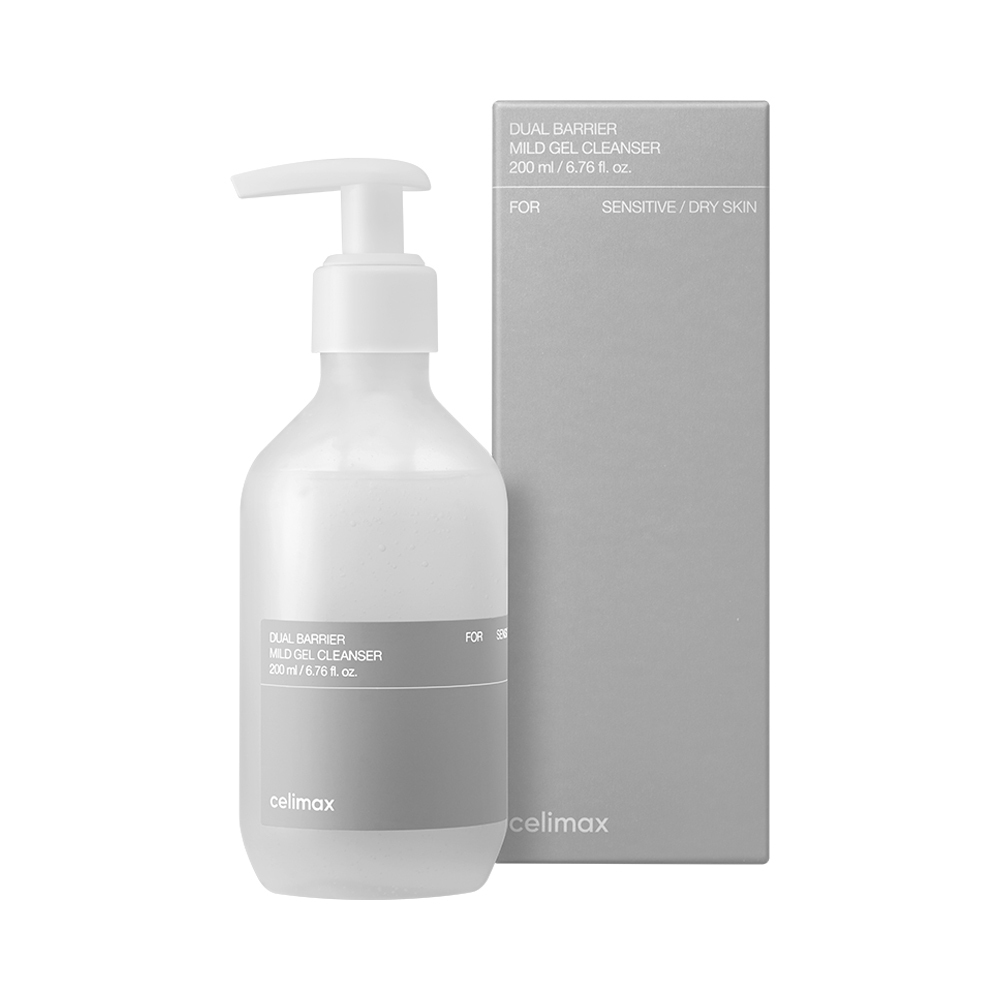
Dual Barrier Mild Gel Cleanser
Celimax
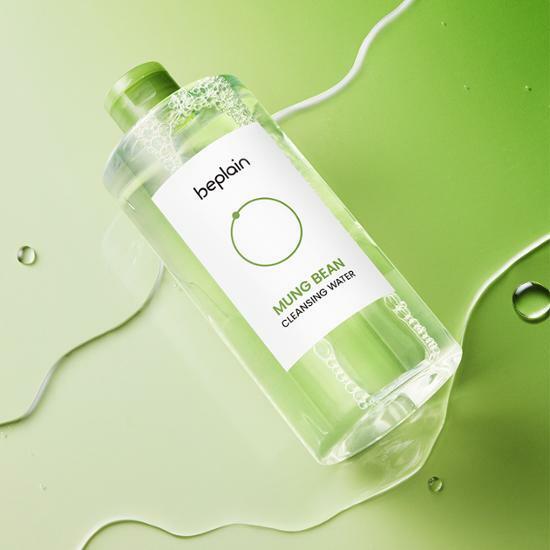
Mung Bean Cleansing Water
Beplain

PDRN Reedle Shot Eye Lifter
VT

147 Barrier Cream
Dr. Althea
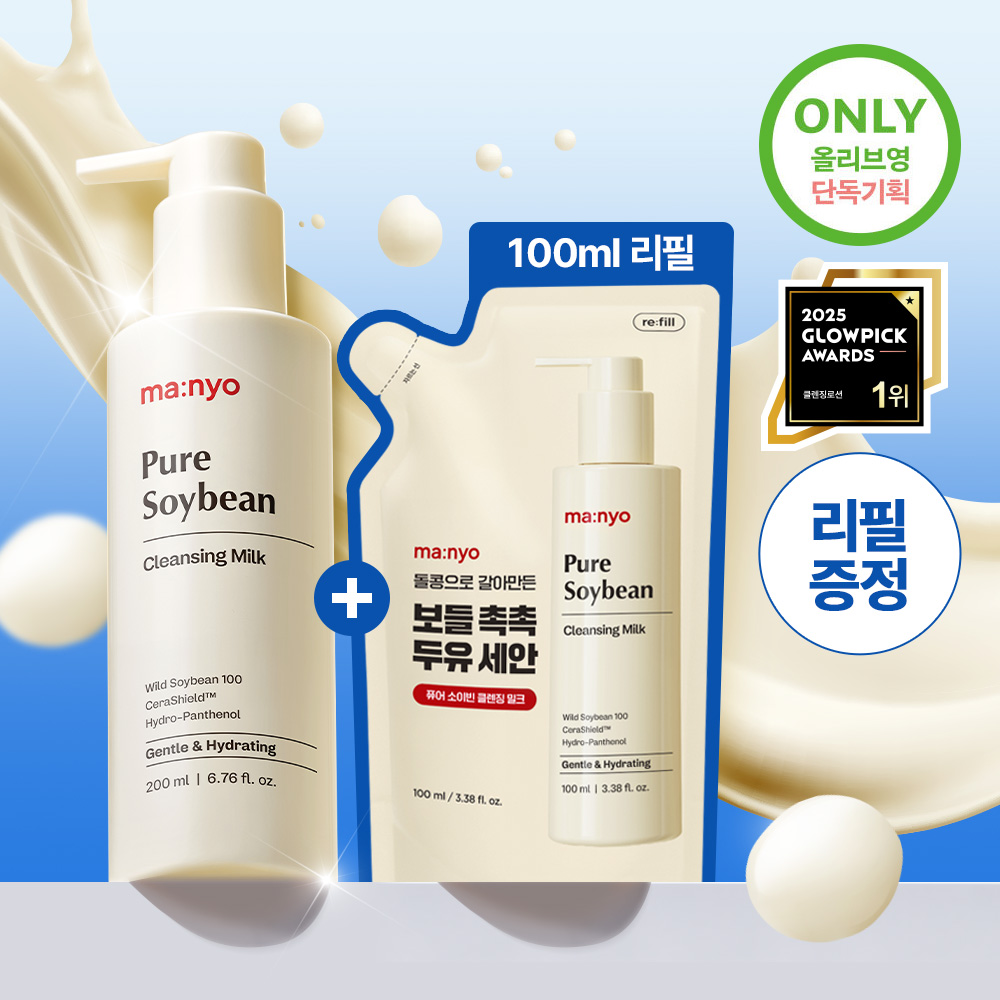
Pure Soybean Cleansing Milk Set (200ml + Refill 100ml)
ma:nyo

PDRN Gel To Foam Cleanser
Medicube
Frequently Asked Questions
What's the difference between Ceramide AP and other ceramides like NP or EOP?▼
Can Ceramide AP help with acne or will it make breakouts worse?▼
How long does it take to see results from using Ceramide AP products?▼
Do I need to use Ceramide AP if my skin already feels fine?▼
Articles About Ceramide AP
Explore More
Want personalized ingredient advice?
Yuri, our AI beauty advisor, can tell you how Ceramide AP works with your specific skin type, routine, and concerns.
Ask Yuri, free